We buy reefer trailers
Sell Your Reefer Trailer
Refrigerated vans — priced on the reefer unit, its hours, and whether the box still holds temperature.
- Written offers
- Transport arranged
- Running or not
- California
On this page
MachineryBarn buys used refrigerated trailers, running or not. Reefers are the only trailer category with an engine, and that engine drives the valuation. Refrigeration unit make, model and hours matter as much as the trailer itself, and a reefer whose unit will not hold temperature is valued as a dry van with a heavy box — which is a very different number. Insulation condition is the second thing that decides the sale, and it is the one owners most often overlook.
What counts as a reefer trailer
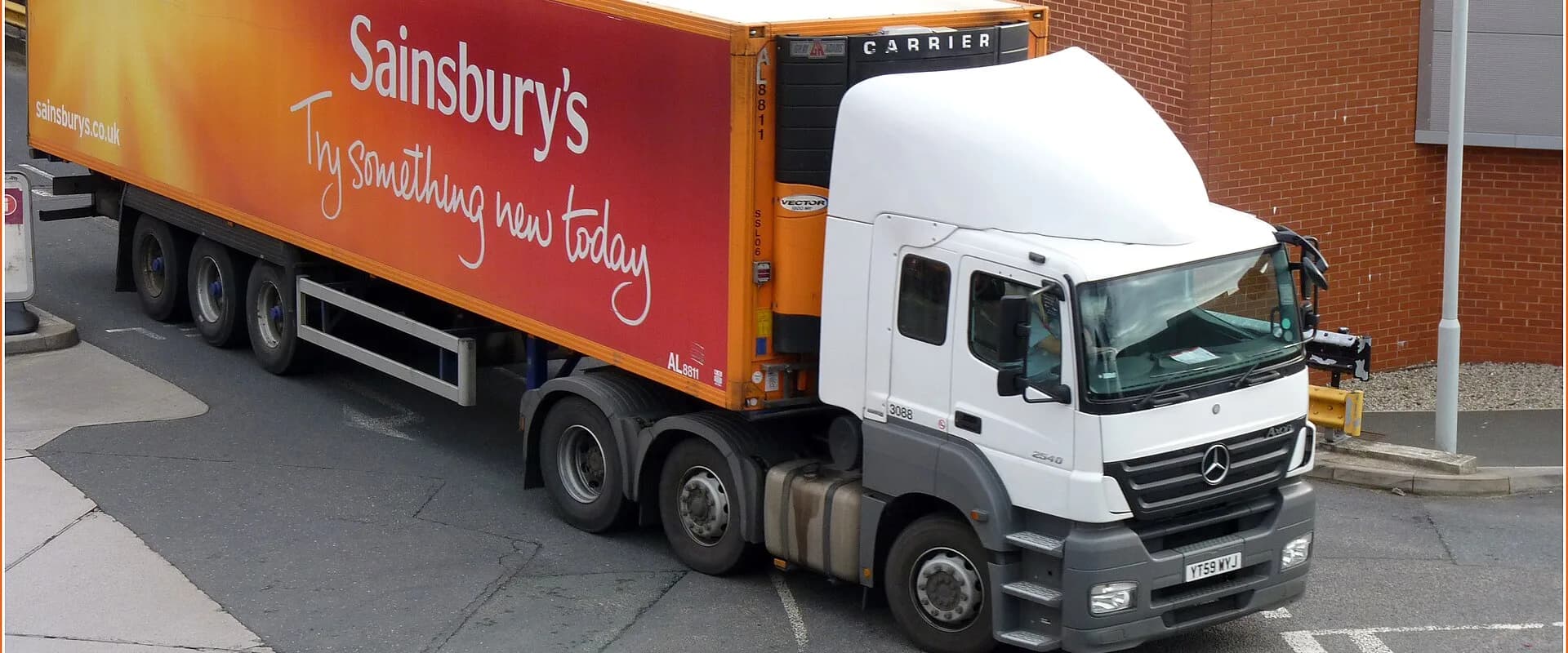
A refrigerated trailer, or reefer, is an insulated semi-trailer with a self-contained refrigeration unit mounted on the front wall. The unit runs on its own diesel engine, or on electric standby where shore power is available, and maintains a set temperature regardless of ambient conditions. Insulated walls, an insulated floor with drainage channels, and sealed doors are what let it hold that temperature.
Standard highway reefers are 53 feet, with 48-foot trailers still in service for specific work. Interior height and width matter more than on a dry van because insulation eats into both. Multi-temperature units with bulkheads let one trailer carry frozen and chilled freight at once and are worth stating.
Where these machines usually come from
- Produce haul, which is a large part of California freight
- Meat, dairy and frozen goods distribution
- Pharmaceutical and temperature-controlled freight
- Beverage distribution
- Storage use, where an older reefer becomes a static cold room
Reefer Trailers we buy
Configuration changes who the next buyer is, so it changes the offer. These are the variants worth naming when you describe your machine.
- Single temperature
- One zone, one set point. The standard configuration and the widest resale market.
- Multi temperature
- Two or three zones with bulkheads and evaporators. Considerably more valuable to distribution operators, and worth listing explicitly.
- Electric standby equipped
- Can run on shore power at a dock instead of the diesel engine. Valuable for yard and warehouse use and reduces running cost.
- Storage / retired reefer
- A trailer sold for static cold or dry storage rather than haul. A real market, and it is worth saying if the unit no longer runs.
What determines a used reefer trailer's value
Roughly in order of how much each one moves the number.
- 1
Refrigeration unit make, model and hours
The dominant value factor. Thermo King and Carrier dominate the market and buyers have firm preferences by model generation. Unit hours matter as much as trailer age, and a recently replaced or rebuilt unit is worth stating with its paperwork.
How to check it: Photograph the unit's data plate and the hour meter reading. Note any recent major service or rebuild.
- 2
Whether it holds temperature
The functional test. A reefer that runs but cannot pull down to set point, or that cycles constantly, has a refrigeration or insulation problem, and those are different repairs with very different costs.
How to check it: Run the unit and see whether it reaches and holds set point with the doors closed. Note how long pull-down takes and whether it short-cycles.
- 3
Insulation condition
The factor owners most often miss. Insulation degrades as it absorbs moisture, and a trailer with wet insulation cannot hold temperature no matter how good the unit is. Delamination, soft spots in the walls and water staining are all signs.
How to check it: Press the interior walls for soft spots, look for delamination at the seams, and check the ceiling for water staining.
- 4
Floor condition
Reefer floors are aluminium duct floors that carry air under the load and drain to the outside. Damaged ducts restrict airflow and undermine temperature control; blocked drains cause the water ingress that ruins insulation.
How to check it: Look along the floor ducts for crushing from forklift traffic and check that the drains are clear.
- 5
Door seals and hardware
Rear doors and any side door must seal properly. Worn gaskets, damaged door frames and misaligned hardware all leak temperature and are cheap to overlook but obvious to a buyer.
- 6
Trailer structure and suspension
Everything that applies to a dry van applies here too: frame straightness, suspension condition, tyres, brakes and landing gear.
- 7
Inspection and registration status
A current annual inspection means the trailer can go to work. Without one, inspection and any resulting repairs are a cost the buyer applies to the offer.
- 8
Fuel tank and unit mounting
The reefer unit's fuel tank, mounting brackets and the front wall behind the unit are all points where corrosion and cracking show up on older trailers.
How usage is measured
Two numbers, and you need both. The refrigeration unit has its own hour meter, and reefer units accumulate hours fast because they run whenever there is freight aboard, including overnight and in the yard. The trailer's own age and condition are separate. A trailer with a low-hour unit is a meaningfully different sale from the same trailer with a worn-out one.
What gets inspected on a reefer trailer
Knowing what a buyer looks at lets you describe the machine accurately the first time, which avoids the offer changing later.
Refrigeration unit
Start behaviour, hour meter, pull-down performance to set point, cycling behaviour, refrigerant leaks, belt and coil condition, and fault codes.
Insulation and interior walls
Soft spots, delamination, water staining, seam integrity, and interior liner damage from load shifts.
Floor
Duct crushing, drain blockage, corrosion at the duct-to-wall joint, and overall floor flatness.
Doors and seals
Gasket condition, door frame straightness, latch and hinge function, and whether doors close square.
Chassis and running gear
Frame and crossmembers, suspension condition, tyres and brakes, kingpin and landing gear.
Fuel and electrical
Fuel tank condition and mounting, unit wiring harness, electric standby components where fitted.
Wear items that dominate cost on this class
What we need to price your reefer trailer
You do not need all of it to start. The more of it you have, the closer the first number is to the final one.
- Year, make, model and VIN of the trailer
- Refrigeration unit make, model and hour meter reading
- Whether the unit runs, and whether it holds set point
- Single or multi temperature, and whether bulkheads are included
- Whether electric standby is fitted
- Insulation condition — any soft spots or water damage
- Floor condition, including duct damage
- Tyre and brake condition
- Current inspection status
- Title status — in hand, lien, or missing
Common situations
The circumstances that come up most often when someone sells a reefer trailer, and what each one actually means for the sale.
The reefer unit will not run
Still bought, and there is a genuine market — reefers with dead units become storage trailers, and the box itself has value. Say what the unit does: no start, starts but will not cool, or cools but will not hold. Those are three different repairs and three different numbers.
It cools but will not hold temperature
Usually insulation rather than the unit, and it is worth knowing which before you sell. A unit fault is repairable; wet insulation effectively ends the trailer's refrigerated life and makes it a storage or dry-freight trailer. Describe what you observe rather than diagnosing it.
The trailer has been used for storage for years
Common and fine. Say how long it has been static and whether the unit was run periodically. Long-parked reefers usually need tyres, brakes and unit service, and often have seized landing gear — all normal and priceable.
The floor is damaged from forklift traffic
Worth disclosing. Crushed floor ducts restrict airflow and undermine temperature control even with a perfect unit. Buyers find it immediately; disclosing keeps the offer firm.
A fleet cycling out older reefers
Send the list with trailer years, unit models and unit hours. Fleet reefers usually have documented unit servicing, which is exactly what makes them straightforward to price as a group.
Moving a reefer trailer
Roadworthy reefers are hooked and towed. A trailer that has been static needs its tyres, brakes and lights checked before it can be towed legally, so tell us how long it has been parked. The refrigeration unit does not need to run for the trailer to be collected. Transport is arranged and paid for by us and is inside the offer.
Ownership and paperwork
Reefer trailers are titled in California and transfer through the DMV, with any lien recorded on the title. Beyond the title, keep the refrigeration unit's service records with the trailer — on this category the unit's maintenance history is a meaningful part of what is being sold.
Attachments and extras
Bulkheads and dividers, load bars and straps, e-track, spare wheels, electric standby cables and any unit service records all count. Bulkheads in particular should be listed, because a multi-temperature trailer without its bulkheads is a single-temperature trailer in practice.
Makes and model families we see most
We buy reefer trailers from manufacturers beyond this list. These are the ones that come up most often, with the series a seller is likely to recognise from the machine.
| Manufacturer | Model families |
|---|---|
| Great Dane | Everest reefer series |
| Utility Trailer | 3000R — very widely used in California produce haul |
| Wabash | ArcticLite and reefer ranges |
| Vanguard | Reefer vans |
| Hyundai Translead | ThermoTech reefers |
| Thermo King | Refrigeration units — Precedent, SB and S series |
| Carrier | Refrigeration units — Vector and X series |
Get a cash offer
Get an offer on your reefer trailer
Tell us what you have and what shape it is in. We come back with a cash figure in writing.
- A written offer, not an estimate
- Transport arranged and priced into the offer
- Running or not, any make
Prefer to talk it through?
(916) 740-7755Get a Cash Offer
Any brand, any condition, any hours.
- Written offer
- Transport arranged
- No Spam
Where we buy reefer trailers
We buy across California. Our published town-level coverage is concentrated in these counties.