We buy dry van trailers
Sell Your Dry Van Trailer
Enclosed vans — priced on floor strength, roof integrity and rear frame condition.
- Written offers
- Transport arranged
- Running or not
- California
On this page
MachineryBarn buys used dry van trailers, roadworthy or not. Dry vans are the highest-volume trailer type on the road and the most commoditised, which means small condition differences decide the offer. Three things dominate: whether the floor will still take a loaded forklift, whether the roof leaks, and whether the rear frame and doors are square. A van that fails any of those is a storage trailer rather than a freight trailer, and both markets are real.
What counts as a dry van trailer
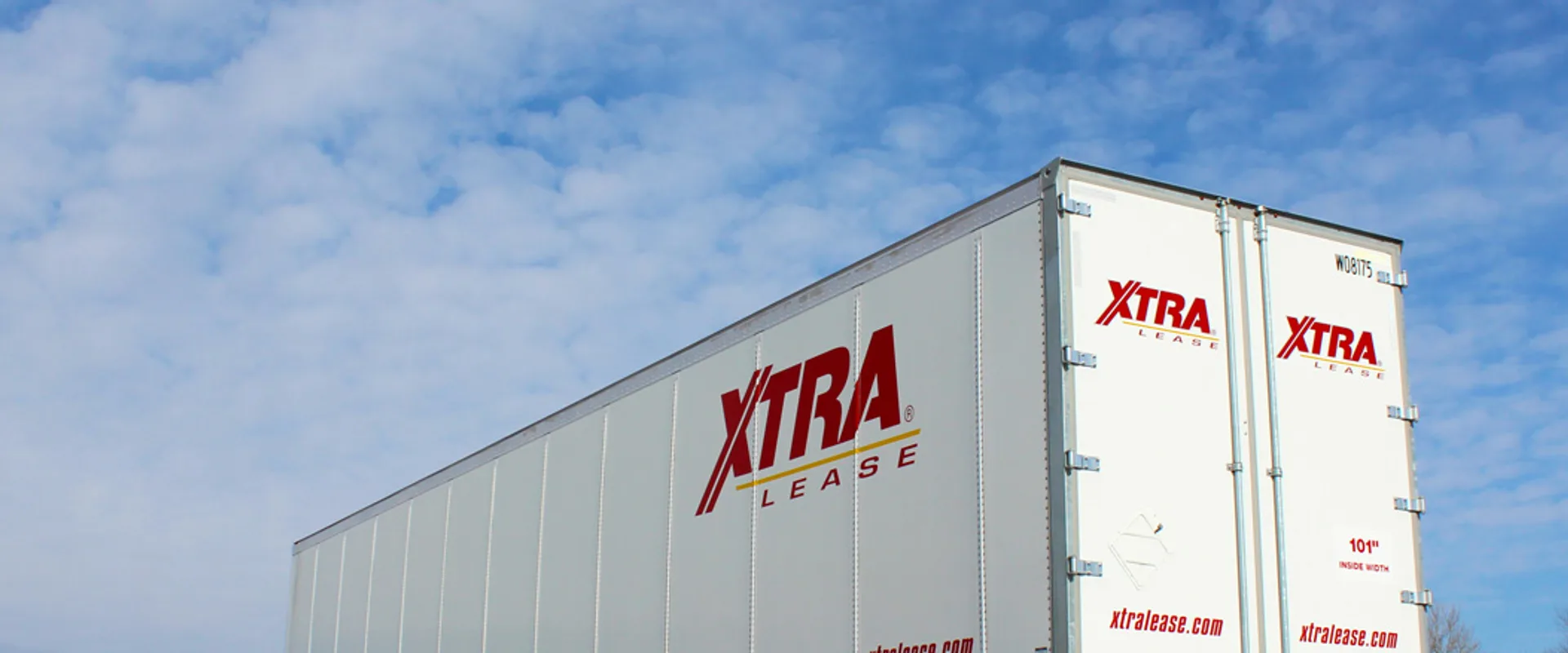
A dry van is a fully enclosed box semi-trailer with rear swing or roll-up doors, used for general freight that needs weather protection but not temperature control. Construction is either sheet-and-post, where the interior lining sits over vertical posts, or a plate wall design where the wall itself is structural. Plate wall trailers give more interior width and resist puncture damage better.
53 feet is the standard highway length; 48-foot vans remain in local and drayage work. Interior height and width matter for pallet stacking, and plate wall construction buys a few extra inches of width against sheet-and-post. Swing doors are standard; roll-up doors suit multi-stop delivery where dock space is tight.
Where these machines usually come from
- General palletised freight, the largest single freight category
- Retail and distribution centre work
- Drayage from ports and rail yards
- Warehouse and dock overflow storage
- Static storage, where retired vans have a long second life
Dry Van Trailers we buy
Configuration changes who the next buyer is, so it changes the offer. These are the variants worth naming when you describe your machine.
- Plate wall (composite)
- Structural wall panels. More interior width, better puncture resistance, and generally the stronger resale.
- Sheet and post
- Interior lining over vertical posts. Cheaper and easier to repair panel by panel, but narrower inside.
- Swing door
- The standard rear configuration. Full opening width and better sealing.
- Roll-up door
- Rolls into the ceiling. Preferred for tight docks and multi-stop delivery, at some cost in interior height.
- Storage trailer
- A van sold for static use rather than haul. A genuine market for trailers past their road life — say if that is what you have.
What determines a used dry van trailer's value
Roughly in order of how much each one moves the number.
- 1
Floor condition
The first thing checked on a dry van. Hardwood floors take forklift traffic every load, and soft, split, delaminated or previously patched sections are the most common reason a van is downgraded to storage use.
How to check it: Walk the full length looking for flex and soft spots, particularly in the rear third where forklifts spend the most time. Look underneath for crossmember rot and missing fasteners.
- 2
Roof integrity
A leaking roof damages freight, which makes the trailer unusable for the work it exists to do. Translucent roof panels, seam sealant and the front and rear roof bows are the common failure points.
How to check it: Stand inside with the doors closed and look for daylight. Check for water staining down the interior walls under the roof rail.
- 3
Rear frame and door condition
The rear frame takes every dock impact the trailer ever suffers. A bent or racked rear frame means doors that will not seal or latch, and it is a structural repair rather than an adjustment.
How to check it: Close both doors and check they meet squarely, latch without force, and seal along the full height.
- 4
Wall construction and damage
Plate wall trailers hold value better and give more interior width. On either type, punched or torn wall panels from forklift damage are visible immediately and priced accordingly.
- 5
Suspension, tyres and brakes
Air ride is preferred over spring for most freight. Eight tyres plus brakes represents a substantial cost, and a sliding suspension that is seized in place is a functional defect.
- 6
Inspection and registration status
A current annual inspection means the van can go straight to work. Without one, inspection and any resulting repairs come off the offer.
- 7
Corrosion and undercarriage
Crossmembers, suspension hangers and the rear frame are where structural corrosion appears, particularly on trailers that saw winter or coastal service.
- 8
Interior fit-out
E-track, logistics posts, load bars and decking systems add value for specific freight and should be listed.
How usage is measured
Age and condition, since trailers carry no meaningful meter. What matters is the service it saw: a drayage van doing short port runs takes far more dock and forklift abuse per year than a long-haul van, and it shows in the floor, the rear frame and the doors.
What gets inspected on a dry van trailer
Knowing what a buyer looks at lets you describe the machine accurately the first time, which avoids the offer changing later.
Floor and crossmembers
Soft or split boards, delamination, prior patches, crossmember rot or corrosion, and fastener condition.
Roof
Daylight from inside, seam sealant condition, roof bow damage, and translucent panel cracking.
Rear frame and doors
Frame squareness, door alignment and sealing, hinge and latch condition, and gasket wear.
Walls
Panel punctures or tears, post damage on sheet-and-post trailers, and interior liner condition.
Running gear
Suspension condition, slider function, tyres and brakes, wheel seals, and kingpin and landing gear.
Lighting and air
All lamps, harness condition, air line integrity and leak-down rate.
Wear items that dominate cost on this class
What we need to price your dry van trailer
You do not need all of it to start. The more of it you have, the closer the first number is to the final one.
- Year, make, model and VIN
- Length and construction — plate wall or sheet and post
- Door type — swing or roll-up
- Floor condition, including any soft spots or patches
- Whether the roof leaks
- Rear frame condition and whether the doors seal
- Suspension type and tyre condition
- Current inspection status
- Whether it is roadworthy as it sits, or storage only
- Title status — in hand, lien, or missing
Common situations
The circumstances that come up most often when someone sells a dry van trailer, and what each one actually means for the sale.
The floor is soft or patched
The most common condition on an older van, and it usually moves the trailer from freight use to storage use. Do not replace flooring to sell — it is a large job and the cost is not recovered. Describe the extent and let the offer reflect it.
The roof leaks
Say so. It is the difference between a freight trailer and a storage trailer, and buyers check for it within seconds by standing inside with the doors shut. Disclosing keeps the offer firm.
It has been used as a storage box for years
Completely normal and there is a real market for it. Tell us how long it has been static and whether it is on wheels or on blocks. Long-parked vans usually need tyres and brakes to be towable, which we account for.
The rear frame is bent from dock impact
Disclose it. Rear frame damage is structural and shows up the moment someone tries to close the doors. It does not prevent a sale — it just needs to be priced as what it is.
A fleet retiring a batch of vans
Send the list with VINs, years and lengths, and note which are roadworthy and which are storage only. Vans price well in groups, and collection can be staged around your yard space.
Moving a dry van trailer
A roadworthy van is hooked and towed. Storage trailers that have not moved in years usually need tyres, brakes and lights addressed before they can be towed legally, and a van sitting on blocks or sunk into soft ground needs recovery first — all routine, but all much easier if we know beforehand. Transport is arranged and paid for by us and is inside the offer.
Ownership and paperwork
Dry vans are titled in California and transfer through the DMV, with any lien recorded on the title itself. Storage trailers that have been off the road for years frequently have lapsed registration and sometimes a mislaid title — both workable, but both should be raised before an offer is made.
Attachments and extras
E-track and logistics rails, load bars and straps, decking beams, door seals, spare wheels and any dock equipment sold with the trailer all count. Interior fit-out is worth listing because it is valuable to some buyers and irrelevant to others.
Makes and model families we see most
We buy dry van trailers from manufacturers beyond this list. These are the ones that come up most often, with the series a seller is likely to recognise from the machine.
| Manufacturer | Model families |
|---|---|
| Wabash | DuraPlate — the plate wall design that reshaped the category |
| Great Dane | Champion and Everest dry vans |
| Utility Trailer | 4000D-X dry vans |
| Hyundai Translead | Composite and sheet-and-post vans |
| Vanguard | Dry van range |
| Stoughton | Z-Plate and sheet-and-post vans |
Get a cash offer
Get an offer on your dry van trailer
Tell us what you have and what shape it is in. We come back with a cash figure in writing.
- A written offer, not an estimate
- Transport arranged and priced into the offer
- Running or not, any make
Prefer to talk it through?
(916) 740-7755Get a Cash Offer
Any brand, any condition, any hours.
- Written offer
- Transport arranged
- No Spam
Where we buy dry van trailers
We buy across California. Our published town-level coverage is concentrated in these counties.